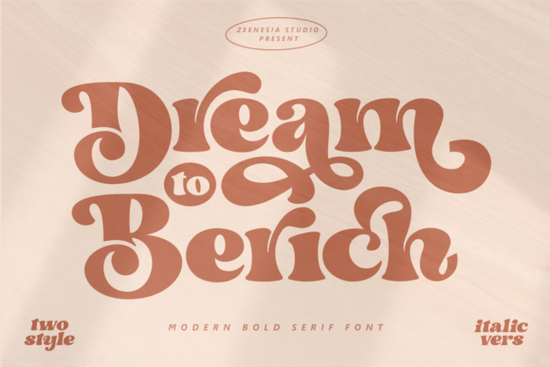
If you’ve been searching for a serif font that feels both modern and effortlessly stylish, Dream to Berich Font might be exactly what your next project needs. It’s not just another pretty typeface it’s practical too, thanks to its PUA encoding, which gives you full access to all the glyphs and swashes without jumping through hoops. Whether you’re designing wedding invites, branding materials, or print-on-demand products, this font adds personality without cluttering your workflow.
What makes Dream to Berich Font stand out is how naturally it blends elegance with versatility. The letterforms are clean but detailed enough to feel intentional perfect for logos, packaging, or even social media graphics where you want something that catches the eye without shouting.
Who should consider using this font?
This isn’t just for professional designers. If you run a small business and need to create consistent, polished marketing materials in-house, fonts like this help you look more put-together without needing advanced design skills. Crafters who make custom SVG files or printable art will appreciate how smoothly the swashes integrate. Print-on-demand sellers can use it across mugs, shirts, and posters knowing it scales well and holds up at different sizes.
Even hobbyists working on personal projects think birthday cards, scrapbooks, or wall art will find it easy to work with. You don’t need fancy software; most programs that support OpenType features (like Adobe Illustrator, Canva Pro, or Affinity Designer) will let you toggle alternate characters and stylistic sets with a few clicks.
How does PUA encoding actually help me?
PUA stands for Private Use Area basically, it means all the extra characters (swashes, ligatures, alternates) are mapped in a way that’s accessible across platforms. No more copying glyphs from PDF charts or installing multiple font files. Just type normally, then switch to stylistic alternates when you want to add flair.
- For logos: Swap in a swash tail on the last letter for instant sophistication.
- For quotes or headers: Use the alternate capitals to give lines more rhythm.
- For branding kits: Mix uppercase and lowercase styles to create hierarchy without changing fonts.
If you’ve tried other serif fonts like Ronsa or Gibs, you’ll notice Dream to Berich sits in a similar sweet spot decorative enough to stand out, but structured enough to remain readable. That balance is rare, and it’s why so many users come back to fonts like these for repeat projects.
What kinds of projects does it work best for?
You’ll get the most mileage out of this font in contexts where tone matters invitations, boutique packaging, feminine branding, editorial layouts, or anything with a touch of luxury or romance. It’s not ideal for body text or minimalist tech brands, but that’s not what it’s meant for.
Here’s where it shines:
- Wedding stationery suites (save-the-dates, menus, place cards)
- Etsy shop banners and product mockups
- Instagram quote graphics with layered textures
- Custom monograms for apparel or home decor
- Book covers or chapter headers in self-published works
One thing to note: pair it with a simple sans-serif for contrast. Something neutral like Montserrat or Lato lets Dream to Berich take center stage without visual competition.
Any tips before I download?
Make sure your design software supports OpenType features most modern tools do, but if you’re using older versions or free web apps, double-check. Also, test how the font renders at smaller sizes. Some swashes may become muddy below 12pt, so reserve those for headlines or large-format prints.
And if you’re comparing options, take a look at how others have used it in real projects. Seeing it applied helps you visualize whether it fits your brand voice or aesthetic.
Fonts like this aren’t about chasing trends they’re about having reliable tools that help you express ideas beautifully, without overcomplicating the process. Dream to Berich doesn’t demand attention; it earns it quietly, through thoughtful details and consistent performance.
Quick checklist before you start:
- Test readability at the size you plan to use it.
- Pair wisely avoid clashing serifs or overly busy combinations.
- Use swashes sparingly one or two per line is usually plenty.
- Check licensing if you’re selling physical or digital products.
- Save stylistic sets as presets if your software allows speeds up future projects.
Start simple. Pick one project maybe a greeting card or Instagram story and try the font there first. See how it feels in your hands. Good type doesn’t shout. It settles in, does the job, and leaves people wondering why everything looks so… right.
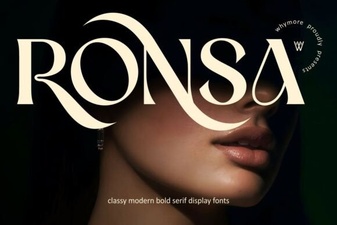 Modern Fonts & Typography Ideas with Ronsa
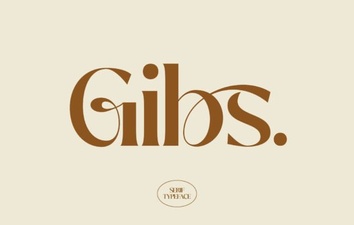 Gibs Font Download & Design Applications
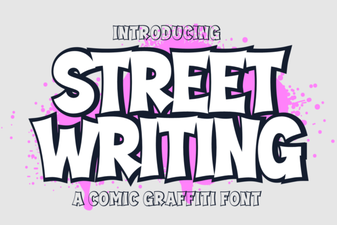 Urban Street Writing Fonts for Creative Projects
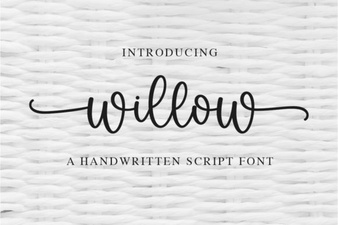 Willow Font: Design and Download Guide
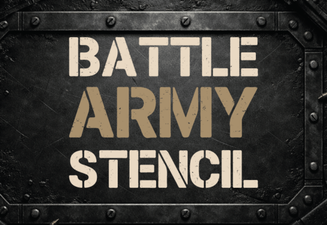 Battle Army Fonts: Design Assets & Creative Stencil Ideas
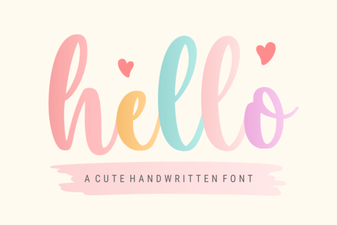 Hello Fonts: Design Resources & Project Ideas